




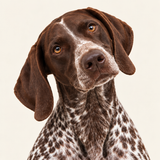





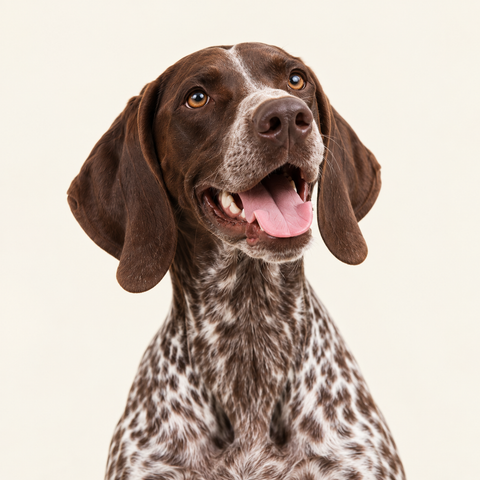
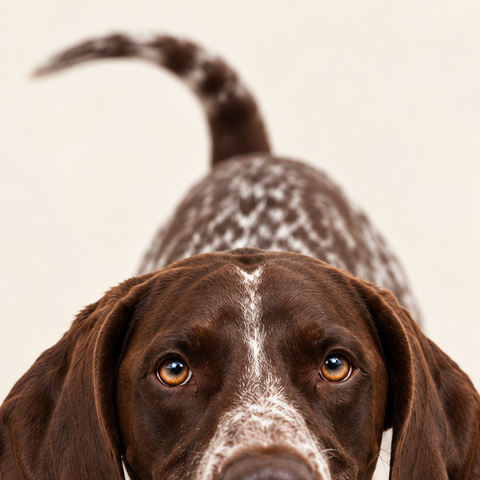
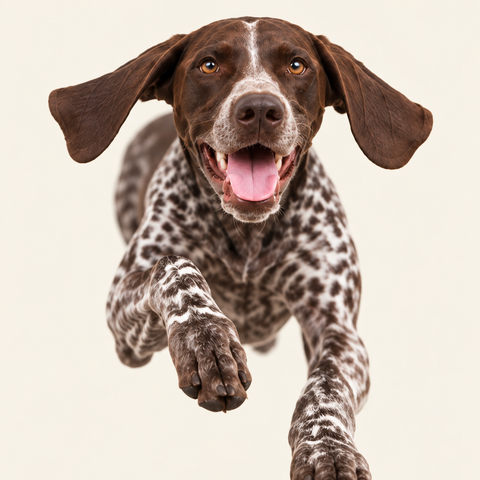



There is something special about sharing your life with a big dog. Labradors, German Shepherds, Golden Retrievers, Rhodesian Ridgebacks, Rottweilers and Great Danes bring a lot of personality - and a lot of body weight. That extra size is part of their charm, but it also means a large breed dog's joints carry more load with every step.
Whether you have a growing puppy or a gentle giant in their senior years, a little planning goes a long way. This practical guide covers joint care for large breed dogs at every life stage, along with simple daily habits that support comfort and mobility.
Why large breed dogs need extra joint care
Large and giant breeds grow quickly and carry more weight through their hips, elbows and knees than smaller dogs. Some breeds are also known to be more prone to certain joint conditions, which is why responsible breeders screen their dogs and why vets often pay close attention to joints in bigger breeds.
None of this means your large dog is destined for problems. It simply means that good joint habits, started early and kept consistent, are especially worthwhile.
Large breed puppies: protect growing joints
The first 12 to 24 months are when the foundations are laid. Large breed puppies grow fast, and their joints need time to develop properly.
- Feed a large breed puppy food. These are formulated to support steady, controlled growth. Ask your vet for a recommendation.
- Avoid overfeeding. A lean puppy is better than a chubby one, as rapid weight gain adds stress to developing joints.
- Keep exercise age-appropriate. Short, frequent play sessions on soft ground are better than long runs or repetitive jumping.
- Limit stairs and jumping. Help your puppy in and out of the car and avoid encouraging leaps off furniture.
Adulthood: build strength and keep them lean
Once your dog is fully grown, regular exercise helps build the muscle that supports and stabilises their joints. Daily walks, swimming and controlled play all help.
Weight management is the single most important habit for large breed joint care. Because big dogs already carry significant weight, even a few extra kilos make a real difference to the load on their joints. You should be able to feel the ribs without pressing hard and see a waist from above. Your vet can help you set a target weight.
Senior large breed dogs: comfort comes first
Large breeds tend to age earlier than small dogs, and many are considered senior from around six or seven years old. As they slow down, small adjustments help them stay comfortable. Our guide to joint comfort in ageing dogs has more ideas.
- Swap long walks for two or three shorter, gentler outings each day.
- Provide a thick orthopaedic bed that supports their full body weight.
- Add non-slip rugs on tiled or polished floors.
- Use a ramp for the car rather than asking them to jump.
- Book regular senior check-ups so your vet can monitor their joints.
Joint supplements for large breed dogs
Alongside a quality diet, many owners of large dogs add targeted nutritional support to their daily routine. Organic rosehip is a natural, single-ingredient option that is easy to use with dogs of any size.
Rosehip is naturally rich in antioxidants, which help protect cells from oxidative stress. Because a large dog's joints work hard under extra weight every day, that antioxidant support is a sensible complement to good weight management and exercise habits. Learn more in our beginner's guide to rosehip powder for dogs.
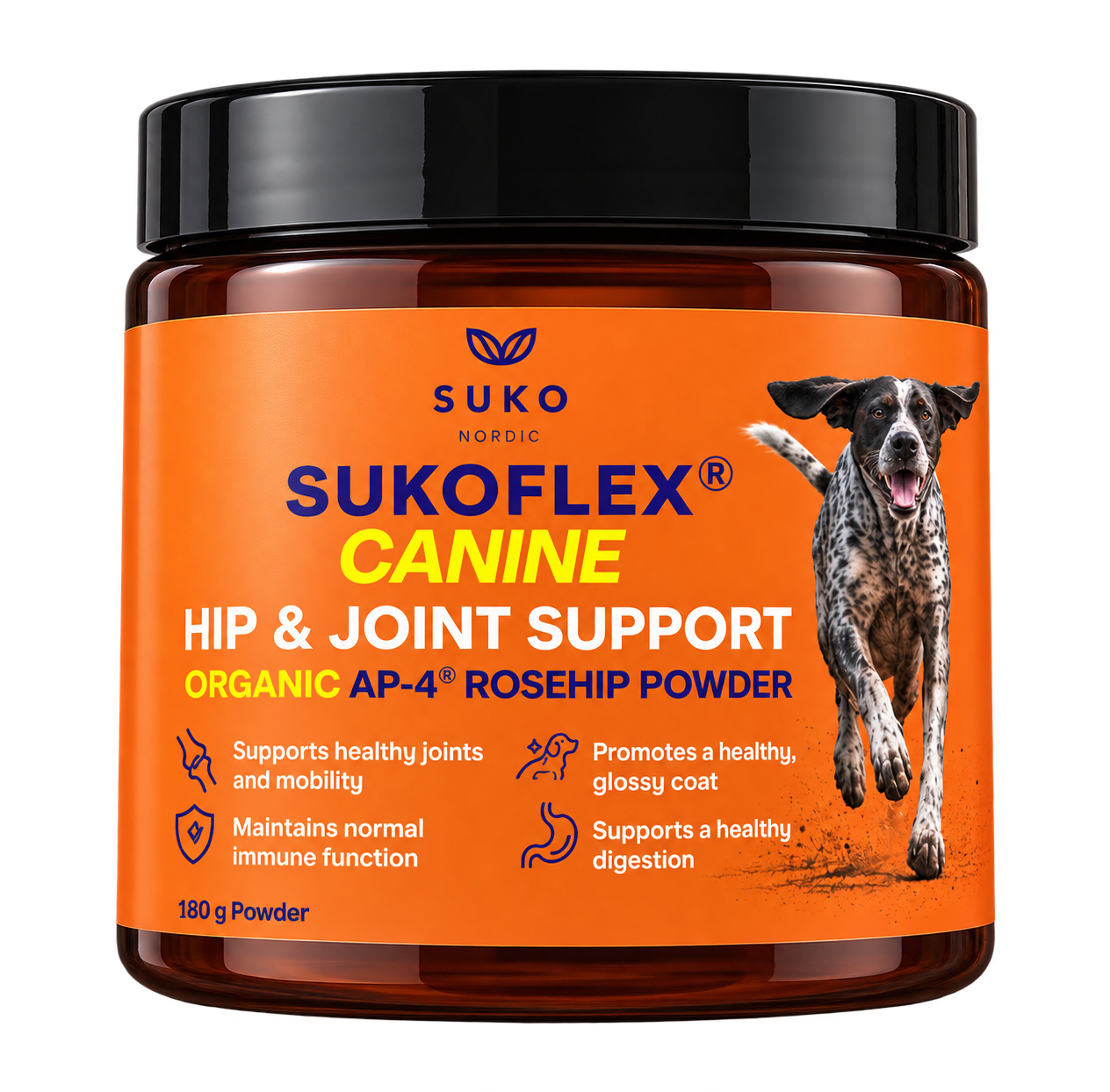
SUKOFLEX® CANINE Organic Rosehip Powder is made from the standardised AP-4® Rosa canina rosehip, grown organically in Southern Chile - the same ingredient used in SUKOFLEX® for humans. It is designed to support joint comfort, mobility and healthy immune function in ageing or active dogs. The powder is dosed by body weight, so it scales naturally to larger dogs, and it simply mixes into their usual food.
A simple daily routine for your large dog
- Morning: a calm walk on soft ground, watching how easily your dog rises and moves.
- Breakfast: their measured portion with SUKOFLEX® CANINE stirred through.
- Daytime: rest on a supportive bed, away from cold, hard floors.
- Evening: a shorter, relaxed walk and a settled sleeping spot.
- Weekly: a quick body condition check and a note of any changes.
When to see your vet
Contact your vet if you notice limping, a swaying or "bunny hopping" gait, difficulty rising, reluctance to use stairs, swelling, or pain when touched. Large breeds can be stoic, so subtle changes are worth taking seriously. Not sure what to look for? Read our 7 signs your dog's joints need support, or find out why some dogs are stiff in the morning. A supplement supports your dog's normal routine; it is not a substitute for veterinary care.
Frequently asked questions
Which dog breeds count as large breeds?
Generally, dogs expected to weigh more than around 25 kg as adults are considered large, and those over around 45 kg are often called giant breeds. Labradors, Golden Retrievers, German Shepherds, Rottweilers, Bernese Mountain Dogs and Great Danes are common examples.
Do large breed dogs need a joint supplement?
Not every dog needs one, but many owners of large breed dogs choose daily joint support as their dog reaches adulthood or becomes more active, because big dogs carry more weight through their joints. A joint supplement works best alongside a healthy weight, the right exercise and regular vet check-ups. Your vet can help you decide what suits your dog.
Can I give rosehip powder to a large breed puppy?
Always check with your vet before adding any supplement to a growing puppy's diet, and follow the feeding directions on the pack.
How much rosehip powder does a large dog need?
SUKOFLEX® CANINE is dosed by body weight, so follow the feeding directions on the pack for your dog's weight rather than guessing.
The takeaway
Joint care for large breed dogs starts in puppyhood and continues for life. Support steady growth, keep your dog lean, choose kind forms of exercise, make your home joint-friendly as they age, and add a simple, consistent source of daily nutrition such as SUKOFLEX® CANINE.
Big dogs give us a lot of love. A few good habits help make sure they can keep giving it, comfortably, for years to come.