












Short answer: recovery after cruciate (CCL) surgery takes patience. Expect several weeks of strictly limited activity, a gradual return to walks guided by your vet or canine physio, and around three months before good function returns. Keeping your dog lean and building a steady daily routine helps along the way.
Key takeaways
- Follow your vet's restrictions exactly. Doing too much too soon can set recovery back.
- Rehabilitation (physio) is commonly recommended after surgery.
- Many dogs regain good function within about three months.
- Dogs that injure one knee are at higher risk of injuring the other.
- Keeping your dog lean helps protect both knees.
What is a cruciate ligament injury?
The cranial cruciate ligament (CCL) is a band inside the knee that keeps it stable. In dogs it usually weakens gradually and can then partly or fully tear, causing pain, limping and, over time, arthritis. It is one of the most common reasons for knee surgery in dogs, and factors like obesity can contribute.
Signs of a cruciate problem
- Limping on a back leg, sometimes suddenly after play
- Stiffness after rest or difficulty getting up
- Hesitating at stairs or jumps
- Sitting with one back leg stuck out to the side
- Muscle loss in one back leg
If you see these signs, see your vet. A torn cruciate does not heal on its own the way a sprain might.
The first weeks: rest and restriction
After surgery your dog will need limited exercise for several weeks. That usually means short lead walks for toileting only, no running, jumping or stairs, and a small room or pen when you cannot supervise. It is hard, especially with a young or active dog, but it gives the knee time to heal.
- Use a lead and a sling or towel under the belly if your vet suggests it
- Block off stairs and furniture
- Lay rugs on slippery floors
- Offer chews and food puzzles to keep their mind busy
Rehabilitation: rebuilding strength
Many dogs have physiotherapy after surgery to rebuild muscle and get back to normal movement. A rehab plan often moves from gentle range-of-motion exercises to controlled lead walks, then exercises like sit-to-stand and, later, hydrotherapy. Your vet or physio will tell you when to progress. Some dogs also benefit from "prehab" before surgery.
Back to walks
Walks usually get longer step by step over the following weeks. Keep them on lead and on even ground at first, and watch for limping the next day as a sign you have done too much. With good aftercare, many dogs regain good function within about three months.
Protect the other knee
Dogs that rupture the cruciate in one knee are at increased risk in the other knee. Keep your dog lean, build up exercise gradually, and avoid sudden twisting play like frisbee or chasing balls on slippery surfaces.
A steady daily routine
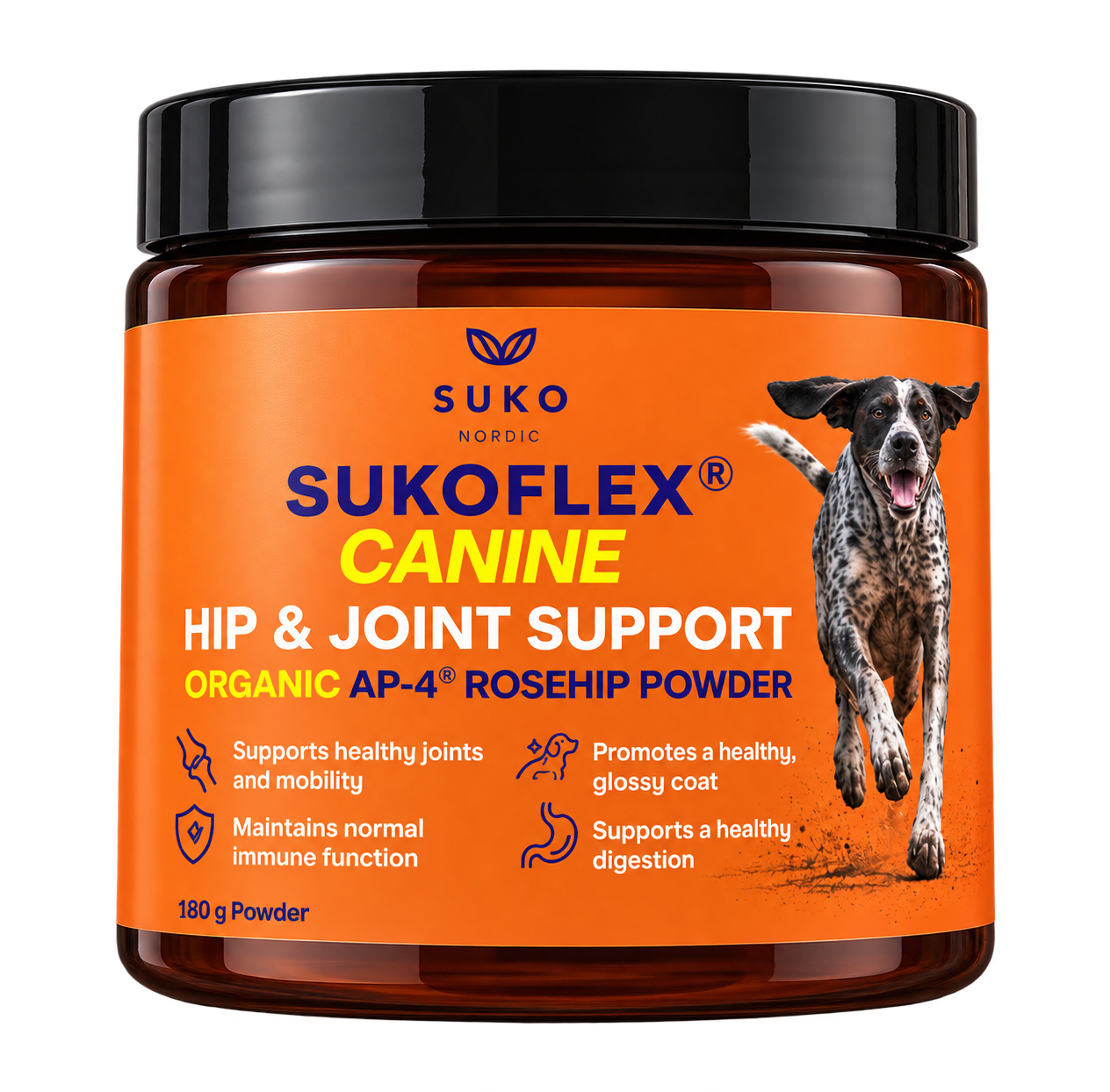
Once your vet is happy with healing, a calm daily routine helps: regular moderate walks, a lean weight, a supportive bed and good daily nutrition. SUKOFLEX® CANINE is an organic AP-4® rosehip powder that supports healthy joints and mobility as part of that routine. Check with your vet before adding any supplement during recovery.

FOR DOGS · ORGANIC AP-4® ROSEHIP
SUKOFLEX® CANINE
Supports healthy joints and mobility. One ingredient, mixed into one meal a day.
✓ Free shipping Australia-wide✓ 90-day money-back guarantee✓ Subscribe & save 30%
Shop SUKOFLEX® CANINERelated reading: joint care for active dogs and why is my dog stiff in the morning?
Frequently asked questions
How long does cruciate surgery recovery take?
Most dogs need several weeks of restricted activity, and many regain good function within about three months. Your vet will give a timeline for your dog.
When can my dog go on normal walks again?
Only when your vet or physio says so. Walks are usually built up gradually over weeks.
Can my dog injure the other knee?
Yes, the risk is higher after one cruciate injury. Weight control and gradual exercise help.
This article is general information, not veterinary advice. Always follow your vet's instructions after surgery.
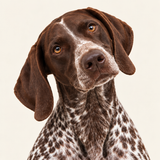
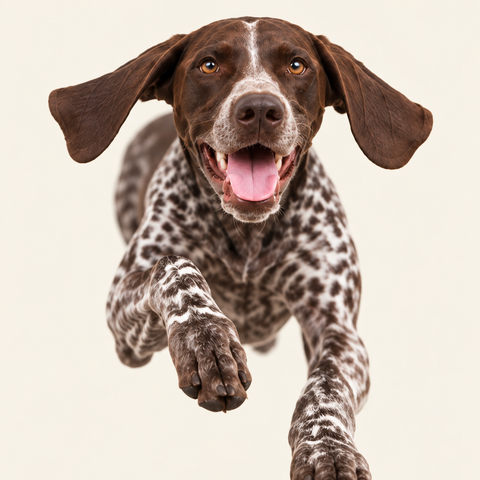
Cover photo: Max from German Shepherd Rescue NSW.